


Baker Street mews access problems for gardeners avoid delays
Posted on 26/10/2026
Garden work in Baker Street mews settings can be deceptively tricky. On paper, it sounds simple: a crew arrives, unloads tools, gets stuck into the border, hedge, lawn, or patio, and leaves the place looking far better than they found it. In real life, narrow lanes, shared entrances, awkward parking, locked gates, basement steps, timed access windows, and neighbour sensitivities can throw the day off before the first spade is out. That is exactly why planning for Baker Street mews access problems for gardeners avoid delays matters so much.
If you are arranging regular upkeep or a one-off job, the difference between a smooth visit and a frustrating wait often comes down to preparation. A few clear details shared in advance can save twenty minutes, or two hours. Sometimes more. Below, we break down what creates access bottlenecks in mews properties, how to plan around them, what to tell your gardener, and how to keep the work moving without cutting corners.

Why Baker Street mews access problems for gardeners avoid delays Matters
Mews streets and courtyard-style properties look elegant, but they are rarely built for easy maintenance logistics. That is the whole point, really. Many were designed long before today's larger vans, pressure washers, bulk soil deliveries, chipper access, or modern garden equipment. So the access plan becomes part of the job, not an afterthought.
When access is poor, the knock-on effects are predictable: tools get carried further than expected, work starts late, waste removal takes longer, and the team may need to split the job into stages. In a tiny enclosed space, even a small delay can affect neighbours, bin routes, and daylight hours. On a wet January morning, that can feel like a proper slog.
For homeowners and property managers, the issue is not just convenience. Delays can increase disruption, reduce efficiency, and make it harder to finish delicate jobs like hedge trimming, turf care, or patio cleaning in one visit. For gardeners, a smooth access arrangement means more time spent on the actual garden work and less time shuffling equipment through a tight alleyway.
There is also a quality angle. A rushed start often leads to rushed finishing. If a gardener has to improvise because they cannot get close enough to the working area, the end result can suffer. And let's face it, nobody wants a neat border with a scratched gate, a muddy entrance, and a grumpy neighbour all on the same day.
If your project includes broader maintenance, it is worth thinking ahead about related services too. A visit that includes planned garden maintenance is much easier to manage when access is sorted in advance. The same goes for larger tasks such as landscaping work or tree surgery, where movement, clearance, and timing matter even more.
How Baker Street mews access problems for gardeners avoid delays Works
The practical idea is simple: reduce uncertainty before the team arrives. In mews access scenarios, a gardener needs four things to stay efficient: a clear route in, a safe place to work, somewhere to stage tools and waste, and enough information to avoid surprises. If one of those is missing, the whole visit can slow down.
Think of the job in stages. First, arrival and entry. Second, unloading. Third, movement through the property. Fourth, waste collection and exit. In a mews setting, each stage can be affected by gates, keys, parking, lift access, shared passageways, or a resident who needs advance notice. That is why a good access plan is more than a quick note saying "you can get in at the back".
In practice, the best results usually come from a short pre-visit briefing. That might include gate codes, parking guidance, whether a van can stop briefly, if there are steps or narrow corners, and who can open the main entrance. It also helps to know whether there are constraints on noise, early starts, or waste loading. A fifteen-minute conversation beforehand can save a morning of faffing about. I wish that word was less useful, but here we are.
Some jobs are especially sensitive to delays. Hedge work, for example, often needs a tidy run of time so cuttings can be collected before they dry out and scatter. If that is your task, it helps to look at the broader trimming approach as well, such as the advice in achieving better hedge shapes and the service page for hedge trimming in Marylebone. Access problems slow this sort of work down fast because ladders, shears, and debris all need room to move.
Another common factor is storage. In a compact mews garden, there may be nowhere obvious to place bags, compost, mulch, or tools without blocking the path. Good access planning solves that by agreeing a temporary staging area before anyone turns up. Simple, but often missed.
Key Benefits and Practical Advantages
When access is managed properly, the gains are immediate. The visit feels calmer, the job moves faster, and everyone spends less time negotiating the site. That sounds obvious, but it is the difference between a tidy professional visit and a day of stop-start work.
- Faster starts: the gardener begins work on time instead of waiting at a locked gate or hunting for a call button.
- Cleaner work areas: fewer pointless trips in and out means less mud, mess, and congestion.
- Better scheduling: jobs can be planned around light, weather, and neighbour quiet periods.
- Safer handling: tools, ladders, and green waste can be moved more sensibly when the route is known.
- Less neighbour friction: clear arrival windows and quieter movement reduce awkward moments in shared spaces.
- More reliable quotes: where access is understood, estimates are more realistic and less likely to shift on the day.
There is another benefit that often gets overlooked: better access makes it easier to maintain a regular rhythm. A small garden that is easy to reach will usually stay in better condition than a larger one that is always awkward to service. This matters especially for recurring work such as lawn mowing and lawn care, where consistency is half the battle. If a crew has to fight access on every visit, the whole schedule becomes fragile.
For some properties, access planning also makes room for more ambitious improvements. A garden that can be entered cleanly and safely is easier to reshape with broader gardening services, or refreshed through decking work and patio cleaning where surfaces need equipment, water, and waste movement handled carefully.
Who This Is For and When It Makes Sense
This topic matters most to anyone who lives, manages, or works in a property where access is not straightforward. That includes mews houses, converted cottages behind main roads, tucked-away courtyards, basement gardens, and shared residential spaces with limited vehicle access. If you have ever said, "the garden is only five metres away but somehow it still takes ages to reach," you are the target audience.
It is especially relevant if you are:
- a homeowner arranging routine maintenance;
- a landlord or letting agent booking garden upkeep between tenancies;
- a property manager coordinating access for multiple trades;
- an estate resident with shared gates or narrow walkways;
- someone preparing for seasonal work like pruning, winter tidy-up, or planting.
It also makes sense when the job involves bulky materials or specialist tools. New planting, compost top-ups, hedge reductions, fence repairs, or cleaning hard landscaping can all create access pressure. If you are planning garden changes rather than just maintenance, a useful starting point is often landscaping support in Marylebone rather than trying to piece everything together yourself.
Not every visit needs a full logistics plan. A quick grass cut in a small front courtyard may only need a key and a heads-up. But the more complicated the garden, the more it pays to think like a site coordinator for ten minutes. That little bit of effort prevents the classic "where do I put this van?" conversation. Not glamorous, but very effective.
Step-by-Step Guidance
Here is a practical way to handle mews access before a gardening visit. Keep it short, simple, and specific. Overexplaining can be as unhelpful as saying too little.
- Map the approach. Identify how the gardener will reach the garden: main entrance, side passage, rear gate, communal corridor, or service alley.
- Check vehicle restrictions. Find out whether a van can stop briefly nearby, whether loading is possible, and if there are any narrow turns or height limits.
- Confirm opening arrangements. Share gate codes, key collection details, concierge instructions, or the name of someone who will be present.
- Flag physical obstacles. Mention steps, uneven paving, low arches, steep ramps, fragile surfaces, or tight corners.
- Agree a staging area. Decide where tools, bags, cuttings, compost, and plant deliveries can be placed without blocking access.
- Set the work window. If noise, neighbours, or building rules matter, give the gardener the best time slot to avoid interruptions.
- Plan for waste exit. Make sure green waste and packaging can leave the property without repeated backtracking.
- Walk the route once. If possible, do a quick visual check before the appointment. You will often notice a small issue that would otherwise slow the whole day.
That last step sounds almost too basic, but it is brilliant in practice. Sometimes a locked side gate, a pile of recycling, or a parked bike is the only thing between a smooth job and a drawn-out one.
For regular upkeep, this becomes easier after the first visit. Most good gardeners will build a mental picture of the site and make small adjustments next time. Still, it helps to keep the access notes updated, especially if residents change, keys move, or a neighbour starts using the same passageway more often.
Expert Tips for Better Results
A few small habits make a surprisingly big difference. These are the things experienced gardeners tend to appreciate because they remove friction before it starts.
1) Keep access notes in one place. Don't scatter gate codes, call instructions, and bin-store details across old emails. Put them together in one clear message. That way, if the job is repeated months later, nobody is digging through a thread from last spring.
2) Think in terms of carrying distance. A mews garden may be tiny, but if the nearest legal stopping point is awkwardly far away, tool handling becomes the real issue. More walking means less time gardening. Simple as that.
3) Match the job to the access. If the route is difficult, schedule work in the right order. For example, do cutting before planting, or minor pruning before soil deliveries. That avoids repeatedly moving material in and out.
4) Keep the route visibly clear. Loose pots, wet leaves, folded prams, and bicycle locks all become trip hazards in a narrow passage. A clean route looks professional and helps the gardener work faster.
5) Use the right type of service for the job. If the access is tight but the garden still needs multiple tasks, a full garden maintenance visit is often better than separate one-off callouts that all need re-entry and re-explanation.
There is also value in being honest about the site. If access is genuinely awkward, say so. A good gardener would rather arrive prepared than spend the first half hour discovering the obvious the hard way. Nobody enjoys carrying a hedge trimmer through a passage and realising the wheelie bin has staged a quiet coup.
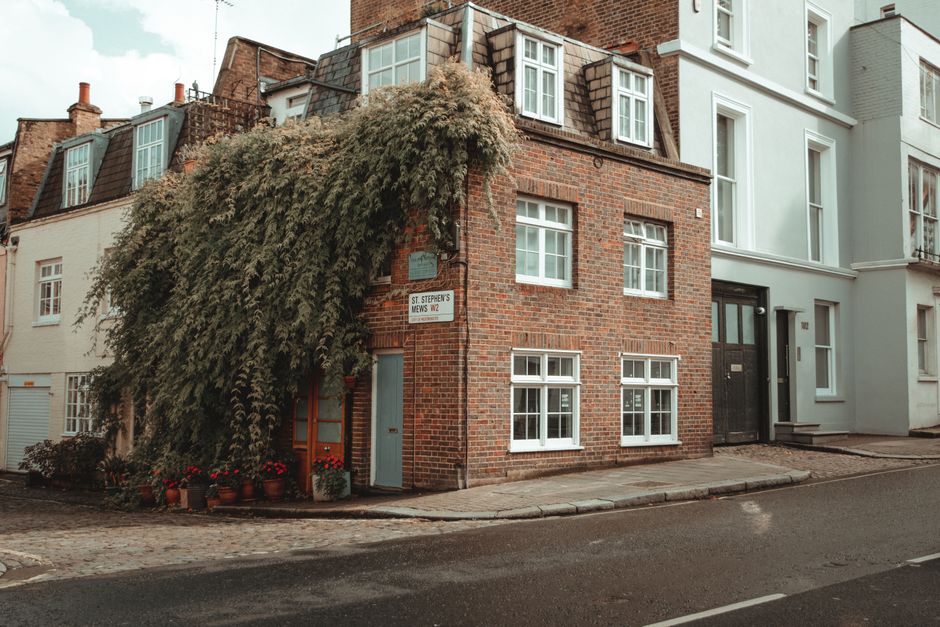
Common Mistakes to Avoid
These are the mistakes that create most delays in Baker Street mews settings. They are usually small, but small mistakes have a habit of multiplying.
- Assuming "easy access" means the same thing to everyone. What feels easy to a resident may still be awkward for a van or a crew with bulky equipment.
- Forgetting about waste removal. Getting tools in is one thing. Getting cuttings, soil bags, or broken material out is another.
- Leaving the route blocked. Bikes, storage boxes, bins, and garden furniture often become accidental bottlenecks.
- Not mentioning pets or children. A cheerful dog or a curious child can change the pace of a job, especially if gates are open.
- Booking work too tightly. If access is uncertain, avoid scheduling back-to-back appointments with no buffer.
- Ignoring weather. A narrow route that is fine in dry weather can become slippery and awkward after rain.
- Expecting specialist tasks to behave like light maintenance. Jobs like tree work or heavy hedge reduction need more room and more time than a standard tidy-up.
One common slip-up is to focus only on the garden itself and forget the whole arrival sequence. In real terms, the "garden job" starts at the street. If that part goes badly, the rest often follows.
Tools, Resources and Recommendations
You do not need a big toolkit to solve access problems, but a few practical items and habits help enormously.
- A clear site note: a short written summary of the access route, gate arrangements, and any restrictions.
- Good lighting: especially for early starts or darker winter afternoons when passages can feel cramped.
- Temporary mats or protection: useful where fragile paving or indoor thresholds need safeguarding.
- Waste sacks and staging containers: to keep cuttings, clippings, and loose debris organised.
- Basic hand tools for tight spaces: a compact pair of secateurs, hand fork, trowel, and hand weeder can be easier to move than bulky kit.
If you are building a more self-sufficient garden routine, some of the broader reading on the site can help. the essentials guide for beginners is a sensible companion if you want to understand the basics without overbuying kit. For weed pressure in cramped spaces, practical weed control tips can be useful too, because awkward access and weeds often arrive together, annoyingly.
For gardens that need more structure and less fuss, it can help to look at low-maintenance ideas such as low-care garden ideas or vertical planting approaches, both of which can reduce movement pressure in tight spaces.
Law, Compliance, Standards, or Best Practice
Access planning is not usually about heavy regulation, but there are still sensible UK best practices to follow. In shared residential settings, you should avoid blocking common areas, damaging surfaces, or creating trip hazards. If a property has building management rules, lease conditions, or neighbour agreements, these should be respected. That part sounds dull, yet it saves headaches.
For gardeners, good practice also means safe manual handling, sensible tool movement, and clear communication about noise and waste. In tight access settings, it is wise to work methodically rather than carrying too much at once. Slower can actually be quicker when the route is narrow. Strange but true.
Where ladders, cutting tools, or larger machinery are involved, the crew should use suitable safety precautions and adjust the method to the site. The exact approach depends on the job, but the principle is simple: the access must support the work safely, not just barely allow it.
If the property includes timber structures or external surfaces that need attention, it may also be relevant to coordinate related services such as fencing work, decking improvements, or patio cleaning. Those tasks often introduce their own movement and protection needs, so access planning becomes part of the quality control.
Options, Methods, or Comparison Table
There are usually three sensible ways to manage access for gardening in a mews property. The right one depends on the size of the job, the level of restriction, and how often the garden is maintained.
| Method | Best for | Pros | Trade-offs |
|---|---|---|---|
| Light-touch access note | Simple, recurring maintenance | Quick to arrange, low effort, works well for familiar sites | Can be too basic if the job changes or access is tight |
| Pre-visit walk-through | First-time visits, larger jobs, awkward routes | Reduces surprises, helps with time estimates, supports safer planning | Needs coordination and a little extra time before the appointment |
| Staged service plan | Big jobs, landscaping, pruning, material deliveries | Minimises congestion, better for complex gardens, easier waste handling | May take more than one visit and requires clearer scheduling |
For many Baker Street mews gardens, the staged service plan is the most practical when the work goes beyond a tidy-up. It is especially helpful if your garden has a mix of planting, hard landscaping, and sheltered corners where movement is tight. On the other hand, if the job is simply regular cutting and cleanup, a concise access note is usually enough.
If the space is mostly about maintaining usable planting areas rather than major redesign, regular care can be enough to keep things under control. That is where targeted lawn care or lighter ongoing work can be the better answer than a one-off overhaul.
Case Study or Real-World Example
A small mews courtyard off Baker Street-style streets had a recurring problem: every visit started with a delay because the rear gate was shared, the access code changed periodically, and the crew had to wheel tools around a narrow passage that also served as bin storage. Nothing dramatic. Just enough friction to turn a one-hour visit into a slow, awkward afternoon.
The fix was straightforward. The resident created one access sheet with the current gate code, the best arrival window, the exact spot where tools could be staged, and a note that the bins were collected on a certain day. They also cleared the passage before each visit, which helped more than they expected. Truth be told, that little bit of tidying mattered almost as much as the instructions.
After that, the crew could start on time, move waste out in one pass, and complete the work without repeated checks. The real gain was not only speed. It was the absence of confusion. The garden looked better, the resident felt less stressed, and the neighbours stopped seeing a series of stop-start deliveries and half-finished movements through the passage.
That is the real lesson here: access problems are often not "big" problems. They are a pile of small ones. Fix the pile, and the job feels easy again.
Practical Checklist
Use this checklist before the next gardening visit in a mews property. It is not fancy, but it works.
- Confirm the exact entrance or gate the gardener should use.
- Share codes, keys, or contact details in one clear message.
- Check whether a van can stop nearby for loading or unloading.
- Make sure the access route is free of bins, bikes, and loose items.
- Identify any steps, narrow corners, or fragile surfaces.
- Agree where tools and waste can be staged during the job.
- Let neighbours or building management know if the work could cause noise or movement.
- Leave enough time in the schedule for the crew to enter and exit properly.
- Flag anything seasonal, such as wet paving, fallen leaves, or snow risk.
- Review the plan after the visit and note what made the job smoother.
Practical summary: if you want to avoid delays, do not treat access as a side note. Treat it like part of the service brief. That one shift in thinking makes a proper difference, especially in compact mews properties where every metre counts.
Conclusion
Baker Street mews access problems for gardeners avoid delays when the route, timing, and site details are sorted before the job begins. That is the heart of it. The garden itself may be small, but the logistics can be surprisingly sensitive. Once you plan for gates, parking, carrying distance, waste exit, and neighbour flow, everything becomes smoother.
For regular upkeep, the best approach is often a short written brief, a clean route, and a realistic schedule. For more complex work, a walk-through or staged plan is worth the extra effort. Either way, clear access planning protects the quality of the work and reduces stress for everyone involved.
And if you are managing a tight-space garden in central London, that calm, organised start is not just useful. It is the difference between a job that drags and a job that simply gets done, nicely, without fuss. Which, honestly, is the dream.
Get a free quote today and see how much you can save.

Sam's many years of experience as a professional gardener ensure high-quality landscaping and gardening services. Furthermore, her proficiency in writing shines through, especially in the realm of Eco-friendly gardening.