

Marylebone Station small garden clearance same day gardeners
Posted on 11/11/2026
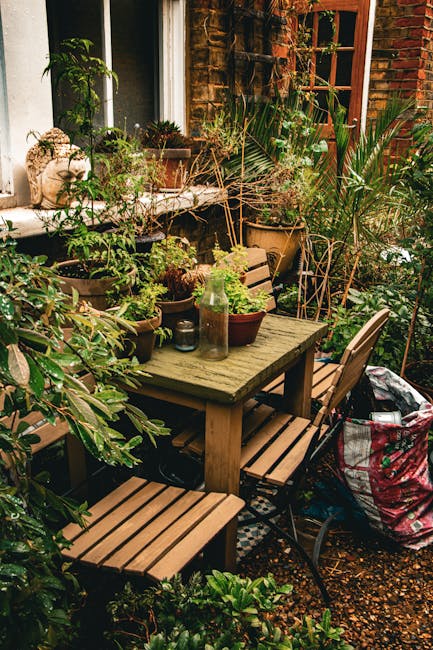
If your compact garden has slipped from "a bit untidy" into "I can't face that today," you are not alone. Around Marylebone Station, outdoor spaces are often small, tucked behind terraces, split-level, or shared with patios, decking, and a few stubborn planters. That makes clearance feel oddly bigger than it looks. The good news? Marylebone Station small garden clearance same day gardeners can turn a cluttered corner into a usable space very quickly, often on the same day, without the drawn-out hassle of a full landscaping project.
This guide explains what same-day small garden clearance actually involves, how it works, who it suits best, and what to expect if you want a fast, tidy result rather than a long overhaul. It also covers common mistakes, practical steps, and the kind of details that help you decide whether a quick clearance is the right call. To be fair, sometimes the best garden improvement is simply getting rid of the mess first.
Why Marylebone Station small garden clearance same day gardeners Matters
Small garden clearance is not just about tidying. It is about making a limited space workable again. In a busy part of London, a compact garden can pick up clutter surprisingly fast: broken pots, leaf build-up, overgrown borders, dead annuals, a few bags of old soil, and the inevitable "I'll move that later" items that somehow stay for months. The result is a space that feels smaller, darker, and harder to use.
Same-day gardeners matter because speed changes the whole experience. When a garden is cleared quickly, you avoid the drag of living with the problem for another week or two. That is especially useful if you are planning a move, preparing for guests, recovering a rental property, or just need the place to feel calm again. You know the feeling: you look out the window, see the mess, and the whole flat seems heavier somehow.
For local properties near Marylebone Station, there is another angle too. Compact gardens often sit right next to homes, basements, shared access ways, or paved areas. Clearance has to be careful, efficient, and respectful of neighbours. That is where experienced local gardening services can be far more useful than a general handyman approach. They understand that a small job still needs proper handling, clean edges, and a tidy finish.
In practical terms, a good clearance service should make the space safer, easier to maintain, and more enjoyable the same day. No drama. No pile of half-finished debris sitting outside until tomorrow.
How Marylebone Station small garden clearance same day gardeners Works
Same-day garden clearance usually begins with a quick assessment. That may be done over the phone, by photos, or in person if the team is already nearby. The point is to understand what needs removing, what can be composted or cut back, and whether there are access issues, waste volume concerns, or special items like heavy planters or woody stems.
Once the scope is clear, the gardeners bring the right tools and work through the space methodically. In a small garden, that often includes cutting back growth, bagging green waste, removing dead material, clearing loose rubbish, sweeping hard surfaces, and leaving beds or borders ready for the next stage. If the area includes a lawn, a quick visit may also involve lawn mowing support or basic lawn care so the whole space feels finished rather than half-touched.
The key thing is pace with control. A proper same-day clearance is not just a rush with bags and secateurs. It is a managed sequence: assess, clear, cut, collect, sweep, and check. If there are shrubs that need shaping rather than removal, a team may combine clearance with hedge trimming to keep structure intact. That makes a big difference in small spaces, where one overgrown shrub can swallow the whole view.
And yes, the waste has to go somewhere. Reliable gardeners will plan for collection and disposal rather than leaving you with a fresh pile of green bags to deal with later. That part sounds dull, but it is usually the bit customers appreciate most.
Key Benefits and Practical Advantages
Small garden clearance sounds simple, but the benefits stack up quickly.
- Immediate visual improvement: A cluttered garden can look twice as small as it is. Clearing it makes the space breathe again.
- Better safety: Removing loose branches, broken pots, and slippery debris reduces trip hazards.
- Less maintenance stress: Once the bulk is gone, routine upkeep becomes much easier.
- More usable outdoor space: You can sit, plant, store tools, or simply enjoy the view without the visual noise.
- Healthier planting conditions: Clearing dead matter improves airflow and light around beds and borders.
- Fast turnaround: Same-day help is ideal when time matters, which it often does.
There is also a subtle but important benefit: momentum. When the garden is cleared, people usually start making better decisions about it. You notice where the light falls. You notice the damp patch near the fence. You notice that one sad corner that might become a herb bed or a seating nook. Before clearance, those ideas are hidden under the mess.
If you later want a more polished finish, services such as ongoing garden maintenance, landscaping, or even patio cleaning can build on the clearance work without starting from scratch. That is often the smarter route in London gardens: clear first, then improve in stages.
Who This Is For and When It Makes Sense
This type of service is not only for neglected gardens. It suits plenty of ordinary situations, especially in compact city spaces.
- Busy homeowners who do not have the time or tools to deal with overgrowth.
- Landlords and letting agents preparing a property between tenancies.
- Tenants who need to restore a garden before moving out.
- Elderly residents who want a safe, manageable outdoor area without heavy lifting.
- People planning a gathering and needing the garden presentable at short notice.
- New owners who have inherited an untidy outdoor space and need a clean starting point.
It also makes sense after seasonal changes. Late autumn leaf drop, winter die-back, or a spring burst of growth can all leave a tiny garden looking untidy very quickly. One week it seems fine; the next, it looks like the green stuff has been plotting against you.
If your garden includes trees, dense shrubs, or overgrown boundary planting, a clearance visit may also need help from tree surgery specialists or a linked service such as fencing work if damaged screens or old panels are part of the problem. Not every clearance is just "pull things out and go." Sometimes the garden is telling you where the deeper issue is.
Step-by-Step Guidance
If you want to book or plan small garden clearance well, a simple process works best.
- Walk the garden slowly. Identify what is green waste, what is rubbish, and what should be kept. Old pots, tools, and seasonal decorations all hide in corners.
- Take clear photos. This helps the gardeners understand access and volume. A narrow side return in Marylebone can be the difference between a quick job and a fiddly one.
- Separate must-keep items. Move furniture, ornaments, and plants you want to retain before work begins.
- Ask about waste handling. A proper clearance service should explain how material will be collected and removed.
- Prioritise the worst areas first. If there is a problem spot that is attracting damp, weeds, or pests, start there.
- Decide whether the job ends at clearance. Some gardens need a clean finish only; others may benefit from follow-up care, planting, or trimming.
- Check the result before the team leaves. Look at edges, corners, side paths, and the base of walls. These are the places people forget.
One useful habit: before the team arrives, jot down your top three priorities. Maybe it is "remove the dead climber, clear the back corner, and sweep the patio." That sounds basic, but it stops confusion and keeps the work focused. Small gardens reward clarity. A lot.
Expert Tips for Better Results
After enough clearance jobs, a few patterns stand out. The best results usually come from simple, practical choices.
Tip 1: Be clear about your end goal. If you want the garden ready for planting, say so. If you only want it cleared for storage or sale, that changes the approach. A clearance job for a family sitting area should preserve shape and structure where possible.
Tip 2: Do not over-clear living structure. In a small space, removing everything can leave it feeling bare and oddly echoey. A good gardener will keep the bones of the garden where they matter and take out the clutter around them.
Tip 3: Combine clearance with trimming where needed. A light shape-up can make a garden look twice as neat as a bare clearance. That is why services like professional hedge trimming are often worth folding into the same visit.
Tip 4: Think about access before the day arrives. If waste has to be carried through a flat entrance, side passage, or shared stairwell, leave space and protect surfaces if needed. It keeps the job faster and tidier.
Tip 5: Ask for a phased plan if the garden is more than a one-off clean. Sometimes the first visit is about recovery, and the second is about improvement. That is a sensible way to work, especially with older gardens that have been ignored for a while.
And here is a small truth: people often feel embarrassed about an overgrown garden. They should not. Gardens move quickly when life gets busy. It happens. The useful thing is to act on it before the job becomes heavier and more expensive than it needs to be.

Common Mistakes to Avoid
Most clearance problems are not dramatic. They are just a series of small oversights that make the job less effective.
- Waiting too long: A little growth becomes a lot. Then the task feels bigger and more intimidating.
- Mixing keep and remove piles: If everything is in one heap, the clearance becomes slower and riskier.
- Ignoring hidden waste: Old compost bags, cracked pots, broken canes, and plant labels often hide under leaf litter.
- Assuming all clearance is the same: A tiny courtyard, a shared yard, and a front garden need different handling.
- Forgetting drainage or damp issues: If water is pooling or weeds keep returning, there may be a deeper maintenance problem.
- Choosing speed over care: Same day should still mean neat, safe, and thoughtful. Quick does not have to mean sloppy.
Another common mistake is expecting clearance alone to solve every problem. If the soil is poor, the fence is unstable, or the layout is awkward, you may need more than a tidy-up. That is where broader support from gardeners who handle full garden work can save time in the long run.
Tools, Resources and Recommendations
For a small garden clearance, the right tools make a huge difference. You do not need a van full of kit, but you do need the right basics.
- Secateurs and loppers for dead stems, light pruning, and awkward branches.
- Sturdy gloves for thorny shrubs, rough waste, and general protection.
- Rake and hand fork for leaf litter and loosening compacted debris.
- Heavy-duty sacks or tubs for collecting green waste efficiently.
- Broom and dustpan for hard surfaces, steps, and patios.
- Wheelbarrow or trug for moving cut material through tight access.
For homeowners who like to do a little themselves before or after the clearance, a few practical references can help. A solid understanding of basic tools is useful, and so is knowing how to keep plants in good shape through the seasons. If you want a broader gardening foundation, the beginners' essentials guide is a sensible place to start. For people with container-heavy spaces, container gardening ideas can help the garden feel organised again without needing a full redesign.
If your small garden has persistent weeds, moisture, or tired-looking patches, a clearance can be paired with practical follow-up work. That may include a bit of lawn care, border reset, or improved planting choice. A quick fix is useful, but a quick fix with a plan is better.
Law, Compliance, Standards, or Best Practice
For small garden clearance in London, the most sensible approach is to follow basic waste-handling best practice and respect shared spaces. Garden waste, soil, timber, old pots, and general rubbish should be separated where appropriate and removed responsibly. Reputable gardeners normally handle green waste in line with standard local disposal practices, though exact arrangements can vary depending on the job and the waste involved.
If the work affects shared access, front paths, communal areas, or neighbouring property boundaries, communication matters. A quick heads-up avoids unnecessary friction. That is especially relevant in Marylebone, where homes can sit close together and access can be tight. Nobody enjoys a surprise pile of branches blocking a doorway at 4pm.
Good practice also means working safely. That includes using proper tools, wearing gloves, being careful around hidden glass or metal, and not overreaching on ladders or unstable surfaces. If a clearance involves larger limbs, unstable trees, or awkward structural issues, it is better to bring in the right specialist rather than improvise. In other words, don't play hero with a saw if the branch is already looking at you funny.
If you want a garden kept neat after the initial clearance, it is usually smarter to set up regular maintenance visits rather than letting the space drift back into disorder. Prevention is calmer than rescue. Much calmer.
Options, Methods, or Comparison Table
There are a few ways to tackle a small garden clearance. The right method depends on time, budget, access, and how much work the space really needs.
| Method | Best for | Strengths | Limitations |
|---|---|---|---|
| DIY clear-up | Very light clutter and simple tidying | Low cost, immediate control | Time-consuming, equipment needed, waste removal still an issue |
| Same-day gardeners | Quick recovery, busy schedules, compact gardens | Fast, efficient, neater finish, less stress | May not include major renovation work |
| Clearance plus maintenance | Gardens that need tidying and ongoing care | Balanced long-term result, less re-overgrowth | More planning required |
| Clearance plus landscaping | Overgrown spaces being reset or redesigned | Transforms the space, not just the mess | More investment, longer project time |
In real life, many people start with same-day clearance and then decide whether to stop there or move on to a deeper improvement. That is often the smartest route. Clear first, then judge the garden with fresh eyes.
If the space includes a patio or decking that has become dirty while the plants overgrew, adding decking services or patio cleaning support can make the whole area feel properly revived, not just stripped back.
Case Study or Real-World Example
A typical Marylebone scenario goes like this: a small rear garden behind a flat has become crowded with wind-blown leaves, a few dead tubs, a climbing plant that has taken over its corner, and a patio that has turned patchy and dull. The owner keeps meaning to tackle it, but the week keeps disappearing. That part is very London, honestly.
On the day of the clearance, the gardeners arrive, assess the access, and split the job into clear stages. First comes the dead material and waste. Then the climber is cut back into shape rather than ripped out completely. The patio is swept clean, the empty pots are stacked neatly, and the bed edges are restored. By the end, the garden is not "finished" in the grand design sense, but it is usable again. It looks bigger. It feels lighter. The owner can step outside with a mug of tea and actually enjoy the space.
That is the real value of same-day work in a compact setting. It removes the friction. The garden stops being a source of mild guilt and becomes part of the home again.
If a project like that needs a bit more thought, it can be extended later with planting, simple structure, or a smarter layout. But the breakthrough usually starts with clearance.
Practical Checklist
Use this checklist before booking or on the day of the clearance:
- Walk the garden and identify what must stay.
- Remove personal items, cushions, toys, and fragile ornaments.
- Take photos of the problem areas if you are getting a remote estimate.
- Check whether access is narrow, shared, or awkward.
- Decide if you want trimming, mowing, or patio cleaning included.
- Note any thorny plants, heavy containers, or unstable features.
- Make sure waste can be taken away, not just stacked up.
- Ask for a sweep-up and final check at the end.
- Consider whether the garden needs follow-up maintenance.
- Keep the result going with a simple weekly tidy routine.
A small garden is easier to maintain once the clutter is gone. That is the whole point, really. One good reset can save you a lot of future work.
Get a free quote today and see how much you can save.
Conclusion
Marylebone Station small garden clearance same day gardeners are a practical answer to a very common problem: a small outdoor space that has become too messy, too overgrown, or simply too hard to face. The best results come from clear priorities, careful waste removal, and a sensible plan for what happens after the clearance. Whether you just need a fast reset or want the garden ready for further improvement, same-day help can make the whole thing feel manageable again.
And that matters more than people think. A clear garden changes how a home feels. You notice the light, the air, the space. Even a tiny yard can give back a surprising amount when it is looked after properly. That's the good part, really.

Sam's many years of experience as a professional gardener ensure high-quality landscaping and gardening services. Furthermore, her proficiency in writing shines through, especially in the realm of Eco-friendly gardening.