


Regents Park front garden makeover gardeners for period terraces
Posted on 27/11/2026
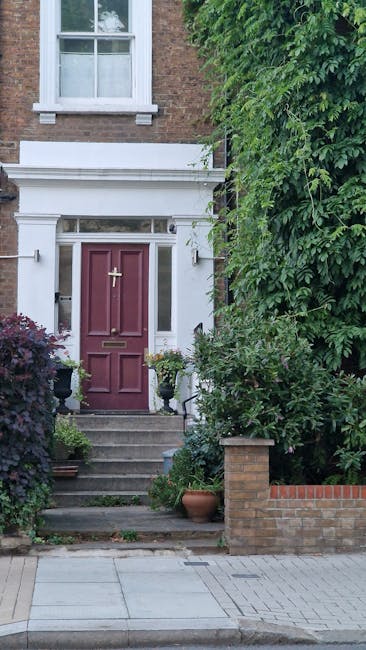
If you live in a period terrace near Regent's Park, the front garden is doing more than looking pretty. It frames the house, sets the tone before anyone steps inside, and quietly tells people whether the property has been cared for. A good makeover has to respect the building's age, the street's character, and the practical realities of London living. That's the sweet spot where experienced Regents Park front garden makeover gardeners for period terraces really earn their keep.
Done well, a front garden refresh can make a narrow, shaded, slightly tired space feel elegant again without losing the home's original charm. Done badly, it can look overworked, shiny in the wrong way, or just a bit confused. This guide walks through the whole process: what makes these gardens special, how the makeover usually works, the main design choices, the mistakes to avoid, and the best way to plan something that looks refined in summer and still holds up in January. Let's face it, front gardens in London have to work hard.
Why Regents Park front garden makeover gardeners for period terraces Matters
Period terraces around Regent's Park tend to have a strong architectural language already: London stock brick, railings, stucco details, front steps, basement lightwells, compact boundaries, and a very particular balance between privacy and presentation. A front garden that ignores all that can look awkward fast. The right makeover, on the other hand, complements the house instead of competing with it.
There's also a practical side. Front gardens in terrace settings often deal with shade from neighbouring buildings, heavy foot traffic, restricted access, and a need for tidy, low-fuss planting. If the space is exposed to passing wind, reflected heat, or pet traffic, those pressures shape every choice. In our experience, the best results come from treating the space like a proper design job, not just a quick tidy-up.
And there's a social factor too. A neat, well-composed front garden lifts the whole street. One well-handled terrace can make the next house look better, and the one after that. It's a small thing, maybe, but it matters. Especially in an area where period character is part of the property value and part of the everyday visual rhythm.
Practical takeaway: a good front garden makeover is not just about plants. It is about proportion, permanence, maintenance, and making the house look like it belongs exactly where it is.
How Regents Park front garden makeover gardeners for period terraces Works
The process usually begins with an assessment of the space as it stands. A gardener or landscaper looks at the frontage from the street, from the door, and from upstairs if access allows. That sounds obvious, but it changes everything. A border that feels balanced at eye level might look too busy from the pavement. A path that seems wide enough may feel cramped once pots, railings, and door swing are taken into account.
Next comes the brief. For period terraces, the brief usually has to answer a few questions: should the garden feel formal or relaxed, planted or hard-surfaced, lush or restrained? Is privacy the priority? Is there a basement lightwell to consider? Is the owner after curb appeal, easier maintenance, better drainage, or all of the above?
After that, the practical design work begins. That can include soil improvement, layout changes, replacement of tired edging, gravel or paving adjustments, replanting, hedge shaping, container placement, lighting planning, and sometimes fencing or screening. For some homes, it may also involve working around existing features such as railings, old stone steps, or a small seating nook. If you are already thinking about wider improvements, a broader landscaping service can help pull the whole frontage together rather than treating it as isolated bits and pieces.
The best teams also plan for ongoing care. A front garden makeover only stays smart if the maintenance level matches the owner's time and budget. That is why a design that looks fantastic but needs constant fussing is usually the wrong design. Not fancy. Just workable.
Key Benefits and Practical Advantages
A well-planned front garden makeover delivers more than a visual lift. Here are the benefits that matter most to period-terrace owners:
- Better first impression: the house looks cared for, aligned, and more substantial from the street.
- Improved proportion: carefully chosen plants and edges can soften hard brick and stone without hiding the architecture.
- Lower day-to-day stress: if the design is sensible, the garden becomes easier to keep tidy.
- Smarter privacy: screening can be introduced without making the frontage feel closed in.
- Seasonal interest: the garden can look good in spring, summer, autumn, and still hold structure in winter.
- Better use of awkward space: narrow runs, corner beds, and basement thresholds can all be made useful.
There's a real difference between a front garden that is merely neat and one that feels designed. The second one gives you a little lift every time you come home. You notice it on a rainy Tuesday as much as on a sunny Saturday.
If the frontage is dominated by patchy turf or tired edges, routine care can make a big difference while the wider makeover is planned. Services such as lawn care for compact London gardens and regular garden maintenance often form the backbone of a long-term improvement plan.
Who This Is For and When It Makes Sense
This kind of project is a strong fit for homeowners and landlords who want the frontage to feel in keeping with a terrace property rather than like an afterthought. It is especially sensible if any of the following sound familiar:
- the front garden has become cluttered, patchy, or difficult to manage
- the property is attractive but the entrance does not do it justice
- the planting has outgrown the space or looks mismatched
- you want privacy without turning the frontage into a bunker
- the garden needs to work for both appearance and maintenance
- you are preparing a period home for sale or long-term rental
It also makes sense when you are dealing with structural issues, not just cosmetic ones. Old roots, poor drainage, broken paving, leaning railings, or awkward boundary plants can all make the garden feel off-balance. If tree growth is part of the problem, a careful tree surgery service may be needed before planting decisions are made. Similarly, a frontage that needs sharper edges or screening may benefit from new fencing solutions rather than relying on plants alone.
Truth be told, some of the best makeovers are not dramatic. They are disciplined. A terrace that looks calm, balanced, and quietly expensive is often the result of a few restrained decisions made well.
Step-by-Step Guidance
Here is a straightforward way to approach a front garden makeover without overcomplicating things.
- Start with a clean slate. Remove dead plants, weeds, cracked pots, broken edging, and anything that has drifted into visual clutter. If the space is badly overgrown, begin with a proper reset. That often includes a full tidy and possibly help from a team experienced in general gardening services.
- Map the fixed features. Note the path, steps, door swing, meters, railings, lightwells, bins, and any utility access. These are not obstacles; they are the framework.
- Decide the mood. Formal symmetry, relaxed cottage planting, evergreen structure, or a smart contemporary mix? Period terraces usually look best when the planting feels purposeful rather than random.
- Choose the backbone planting. Evergreens, clipped hedges, compact shrubs, and well-behaved climbers provide year-round shape. For ideas, some owners find it useful to look at planting approaches like evergreen climbers for structure and ground cover plants that suppress weeds.
- Add seasonal detail. Use smaller plants or containers for colour, but keep the overall palette controlled. A couple of strong tones usually beats a rainbow.
- Sort surfaces and edges. Clean paving, sharpen borders, and repair whatever is tired or uneven. A front garden can be let down by one scruffy edge. It happens all the time.
- Plan maintenance from day one. If the design needs clipping, deadheading, sweeping, or seasonal refreshes, decide who is doing it and how often.
A smart workflow saves money and frustration. You do the heavy lifting once, then the maintenance becomes manageable. That, more than anything, is what makes a makeover last.
Expert Tips for Better Results
Small choices make a big difference in terrace front gardens. A few of the habits that consistently improve results are below.
- Use repetition. Repeating one shrub, one pot shape, or one material creates calm. Front gardens often look more elegant when they are a little restrained.
- Think in layers. Ground level, mid-height planting, and a taller element such as a clipped shrub or climber help a narrow frontage feel complete.
- Respect the building line. Period properties usually look better when planting echoes the architecture rather than hiding it.
- Keep the entry point clear. The front door should never feel buried under foliage. Visitors should know exactly where to go, ideally without a small jungle expedition.
- Choose hard landscaping with care. Materials should suit the house. A simple gravel, brick, stone, or rendered finish often sits more comfortably with a terrace than anything too glossy.
- Prepare for British weather. London gardens still need plants that can cope with wet winters, dry spells, and occasional gusty days. If your frontage is exposed, it is worth thinking about resilience from the start. The article on preparing gardens for extreme weather is a useful mindset for planning.
One small, slightly old-school tip: stand across the road and look at the frontage from a distance. That's where the truth shows up. If the garden reads as cluttered from there, it probably is. Harsh? Maybe. Useful? Absolutely.
If you want the space to feel serene rather than busy, some owners borrow ideas from simple zen-style garden concepts. Not because every terrace needs raked gravel and a stone lantern, obviously, but because restraint can be very effective.
Common Mistakes to Avoid
Front garden makeovers can go wrong in familiar ways. Most of them are fixable, but they are easier to avoid in the first place.
- Overplanting: too many varieties can make a small frontage feel cramped and restless.
- Ignoring maintenance levels: a high-maintenance layout sounds lovely in summer and deeply annoying by November.
- Choosing the wrong scale: oversized shrubs or tiny ornaments in a large frontage both look off.
- Forgetting drainage: a pretty planting plan won't survive if the soil is waterlogged or compacted.
- Making the path an afterthought: if people have to squeeze past plants or puddles, the design is not finished.
- Using too many colours or materials: period terraces usually benefit from coherence, not a bit of everything.
- Skipping the long view: a garden that looks good for three weeks but falls apart in winter is not a real solution.
Another common miss is trying to hide every utility feature. It is better to integrate bins, meters, steps, or lightwells neatly than to pretend they are not there. Design that respects reality tends to age better. Funny how that works.
If weed pressure is part of the frustration, deal with it properly before planting. The blog on three practical ways to tackle weeds is a useful reminder that you don't need to fight the same battle every month.
Tools, Resources and Recommendations
You do not need a shed full of specialist equipment to improve a front terrace garden, but the right basics help. A well-chosen spade, secateurs, hand fork, rake, pruning saw, watering can, and strong gloves go a long way. For more on essentials, the guide to garden basics for beginners is a sensible place to start if you are building up your kit from scratch.
For ongoing work, the most useful resources are often not glamorous at all:
- clear measurements of the frontage and access points
- photos taken in spring, summer, and winter
- a simple note of sun, shade, and windy spots
- a short list of plants that have already worked well nearby
- a realistic maintenance schedule
If the makeover includes a seating area, paved section, or terrace edge, it may also be worth considering finishes that are easy to keep presentable. A tidy entrance often depends on the surrounding hard surfaces. In that case, patio cleaning can make a surprisingly strong difference, especially where moss and street dirt have dulled the space.
And if the frontage needs more structure with a practical boundary, services such as precise hedge trimming can keep lines crisp without making the garden feel rigid.
Law, Compliance, Standards, or Best Practice
For front garden work in a period terrace setting, the main compliance issue is usually not some dramatic legal hurdle. It is being careful around boundaries, access, shared walls, drainage, and any protected trees or conservation-sensitive features. If the property sits in a conservation area or has listed elements, you should treat external changes carefully and get the right advice before removing or altering features. That is standard good practice in London, and it saves trouble later.
There can also be practical obligations around keeping pavements clear, managing waste responsibly, and avoiding work that causes nuisance to neighbours. In a tight terrace street, that matters a lot more than people expect. Compost heaps, thorny branches, sloppy cuttings, and mud tracked across shared paving can turn a pleasant improvement into a small neighbourhood issue. Nobody wants that.
Best practice means using appropriate plants, safe tools, secure work methods, and an approach that respects the property's age. For old walls, railings, stone steps, and root zones, careful handling is more important than speed. If major pruning or tree work is needed, professional support is the safer route, especially when branches are close to facades or entrances.
One final note: period terraces often benefit from reversible improvements. In plain English, that means changes that improve appearance and function without damaging the original fabric. It is a good design habit whether or not a permission issue is involved.
Options, Methods, or Comparison Table
Not every front garden makeover needs the same level of intervention. Here is a simple comparison of common approaches.
| Approach | Best for | Pros | Trade-offs |
|---|---|---|---|
| Light refresh | Gardens that are already laid out well | Quick, affordable, low disruption | Limited transformation if structure is weak |
| Plant-led makeover | Terraces that need more softness and seasonal interest | Strong visual impact, can improve privacy | Needs the right planting choices and maintenance |
| Hardscape-led redesign | Frontages with poor paths, borders, or drainage | Solves functional issues, adds structure | Higher cost and more disruption |
| Mixed makeover | Most period terraces | Balances beauty, structure, and usability | Requires thoughtful planning to avoid clutter |
For many Regent's Park terraces, the mixed approach is the best fit. You get enough structure to suit the architecture and enough planting to keep it from feeling severe. A little softness goes a long way.
If the frontage needs to connect visually with the rest of the outdoor space, broader support such as ongoing maintenance planning and landscape design input often pays off more than a one-off cosmetic tidy.
Case Study or Real-World Example
A classic example would be a narrow terrace frontage with tired paving, a scruffy strip of lawn, two overgrown shrubs, and a front door that felt visually lost. Nothing catastrophic. Just a bit weary. The owners wanted the house to look sharper without making the entrance fussy or high-maintenance.
The makeover approach was simple: reduce the number of plant varieties, replace the patchy lawn with a more manageable surface, clip the existing structure, and add a restrained planting scheme with a small number of evergreen plants and one seasonal accent. The path was cleaned, the edges were redefined, and the overall palette was kept calm.
The difference came from subtraction, not addition. That's often the quiet secret of terrace gardens. You do less, but you do it better. The house looked bigger, the entrance felt clearer, and the whole frontage started to read as part of the architecture rather than a separate hobby that had got a bit carried away.
What did the owners notice first? Not the flowers. The space felt tidier from the pavement and easier to pass every day. That's the kind of outcome people are usually after, even if they begin by asking for "more colour".
Practical Checklist
Use this checklist before committing to a front garden makeover:
- Have you looked at the garden from the street as well as from the front door?
- Do you know which features must stay, such as steps, railings, or access points?
- Is the current problem mainly visual, structural, or maintenance-related?
- Have you chosen a style that suits the age and finish of the terrace?
- Will the planting work in shade, wind, or partial sun if needed?
- Are you planning for year-round structure, not just summer colour?
- Can the design be maintained within your actual schedule?
- Do you need help with pruning, clearing, drainage, or surface cleaning first?
- Have you considered how neighbours, boundaries, and street visibility affect the result?
- Is the plan realistic for a period terrace rather than a larger suburban plot?
If you can tick most of those boxes, you are in good shape. If not, no problem. Better to catch the gaps now than after the first budget is spent.
Get a free quote today and see how much you can save.
Conclusion
A Regent's Park front garden makeover for period terraces works best when it honours the house, suits the street, and stays practical enough to live with. That means thinking about scale, structure, planting, access, and maintenance all at once. Not as separate tasks. Together.
The most satisfying results are usually the ones that feel calm and inevitable, as if the frontage has finally settled into the right version of itself. No shouting. No gimmicks. Just a space that looks considered every time you walk up to it, rain or shine.
If you are planning a makeover, start with the basics, keep the design disciplined, and don't be afraid to edit more than you add. A terrace garden does not need to be large to be memorable. It just needs to be right.

Sam's many years of experience as a professional gardener ensure high-quality landscaping and gardening services. Furthermore, her proficiency in writing shines through, especially in the realm of Eco-friendly gardening.